FLOATING POINTS
Gavin Baily, Tom Corby
Ambika P3, University of Westminster, 35 Marylebone Road, London NW1 5LS
Exhibition Opening hours: Saturday 19th Dec – Monday 21 Dec, 12.00-6.00
Private view: 6.00 pm Friday 18th December
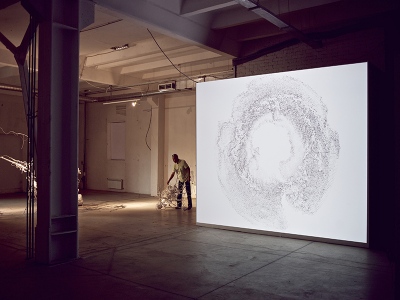
A new exhibition by Gavin Baily and Tom Corby consisting of 3 screen-based projects and an installation set within P3’s underground galleries. The Northern Polar Studies (2015) and Minima, Maxima (2015) are premiered, while The Southern Ocean Studies (in collaboration with Dr Jonathan Mackenzie 2010), and Cyclone (2005 – 2015) are uniquely shown together for the first time. All 4 works employ various forms of climate or meteorological data to visually and physically condense the aleatory, hidden and the systemic aspects of sites and landscapes as large-scale data animation or installation.
Art has long found ways to make tangible the Earth’s exhalation of atmospheres and climates. This exhibition can be seen as part of this tradition, but breaks from it by bringing contemporary scientific technologies, data and institutions to bear to show how universal concepts of human relations with landscape are still pertinent in a contemporary context of accelerating climate change. Additionally, the complex entanglements of the social, material, atmospheric and geographic explored throughout these works, extend our feel for landscape and also our sense of how time functions in it. Landscape through its laminations, layering and morphologies, is conceived in this work as a recording device that tracks the Earth’s changing energy signatures. This movement of time and matter reimagines environmental terrains as extended temporal forms resultant from long-term changes; which we might propose of as ‘deep time landscapes’.
For any Swiss readers: Peter Cornwell, Director of the Data Futures project based in the IMCC, is giving a lecture this evening (Friday 11th December) with Duncan Forbes, Director and Curator of Fotomuseum Winthertur, on “Exhibiting the Medium Formally Known as Photography”.
The talk is at ZHdK (the Zurich University of the Arts) at 6.00 pm in room 6.K04.
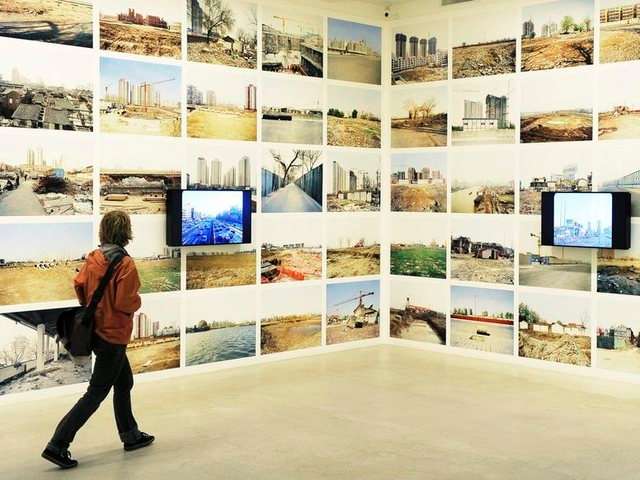
The last decade has witnessed dramatic changes in the exhibition of photography in response to the rise of so-called post-photography and the distributed or transitive nature of photographic media. The idea of photography as one medium is increasingly impossible to sustain, as images flood across different platforms, combining still and moving forms, and offering new modes of reception and creative interaction. Nowadays the photograph is as much data as it is aesthetic or narrative, forging a new paradigm of algorithmic vision. What does it mean for photography and its audiences when the ‘traffic in photographs’ is transformed by global networks and the management of big data?
Taking Fotomuseum Winterthur as a case study, this lecture explores what these changes mean for curatorial practice and the institution of the photography museum. What would a post-photographic exhibition programme look like and what are the challenges of installation and interpretation? How should a photography museum position itself today, in relation to both physical and virtual audiences? What does it mean for the infrastructure of the museum as online platforms and retina displays proliferate and preservation-quality digitization becomes the norm? Is the institutional production of algorithmic vision sustainable and what are the creative possibilities? And what does a culture of ubiquitous, and sometimes disorienting, change mean for the staging of the history of photography?
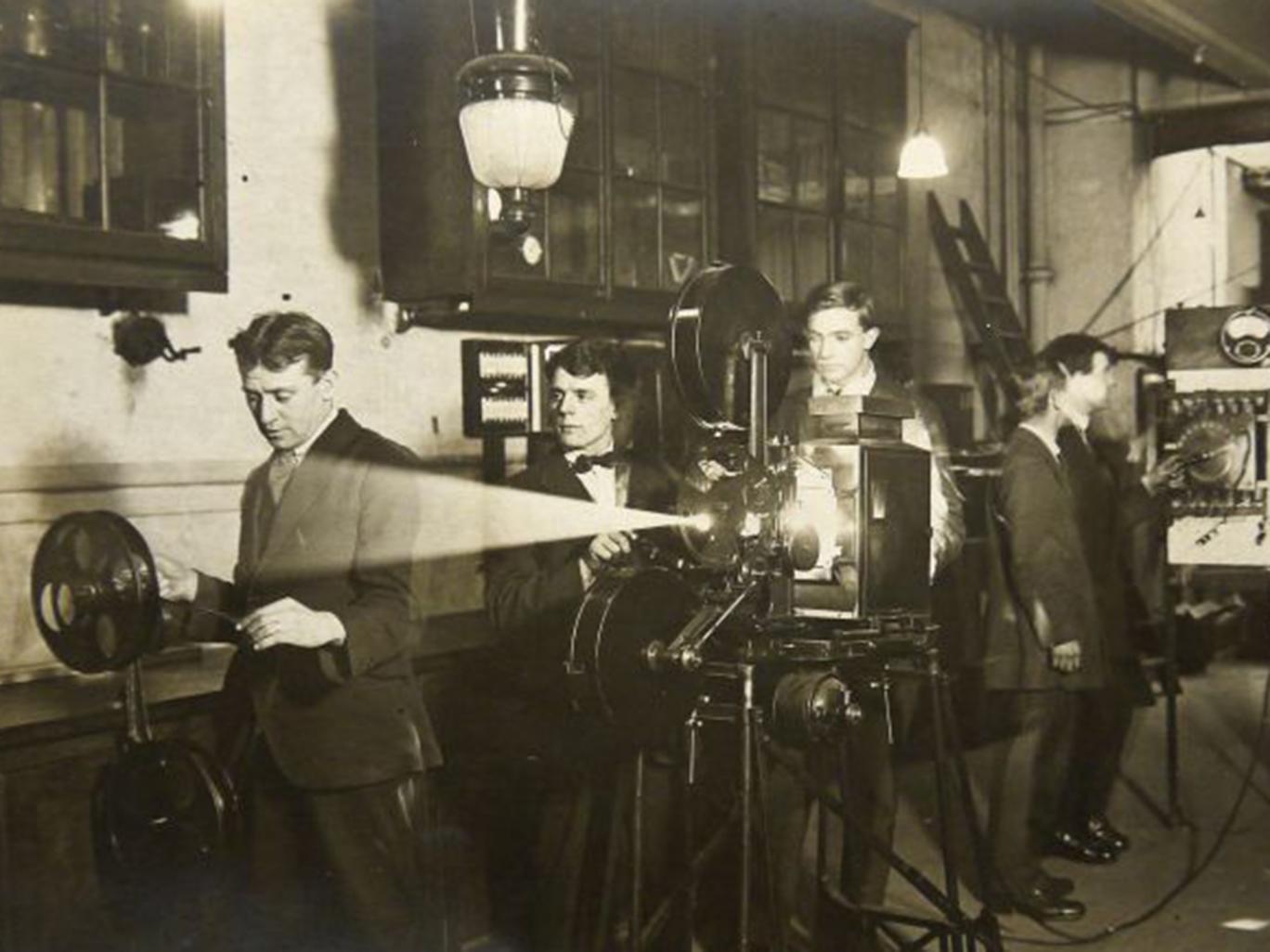
We’re pleased to announce that a new article by Sara Dominici, Post-Doctoral Fellow in the IMCC, has just appeared in the journal Photography and Culture. Entitled ‘Tourist Photographers and the Promotion of Travel: The Polytechnic Touring Association 1888-1939’, the article traces the ways in which the PTA’s passage from viewing tourists as citizens to educate, to customers to please, paralleled the move from using photography-based images to mixed media. While such a development was certainly a response to unprecedented market demands, Dominici argues that it should also be considered in relation to the widening of photographic perceptions engendered by the democratization of the medium, to which the PTA responded, first as educator, then as service provider. In doing so, the article raises several questions about the shifting relationship between “high,” or established, and “low,” or emerging, forms of culture, as mass photography and the mass marketing of tourism developed.
You can find Sara’s article here.
In Process Private view
Thursday 10 December, 6.00 pm
Gallery West – Project Space, University of Westminster, Harrow Campus
In Process (2015) is the inaugural exhibition from the Centre for Research and Education in Art and Media (CREAM) doctoral caucus based at the University of Westminster, including work by our own Steve Smith. The exhibition is a showcase of the various vibrant strands of interdisciplinary research being undertaken at the university. The focus is on modes in which CREAM students further practice-based modes of inquiry as means of art-making and producing contributions to knowledge and contributions to experience. Students undertaking principally theoretical research will also present elements of their research using practical modes. The exhibition will present work from ten doctoral students in the Project Space of Gallery West, and will be paralleled by a programme of film showings and performances.
Estéfani Bouza, Cinzia Cremona, Sue Goldschmidt, Alexandra Jönsson, Mirko Nikolić, Fathima Nizaruddin, Alexa Raisbeck, Bhavna Rajpal, Arne Sjögren, Steve Smith.
University of Westminster, Watford Road, Harrow, Middlesex HA1 3TP
Nearest Tube station: Northwick Park (Metropolitan line)
10 December 2015 – 8 January 2016
Opening times: 10am – 10 pm daily
Further details: www.westminster.ac.uk/inprocess

Wednesday 9 December, 5pm
Room 105, University of Westminster, 32-38 Wells Street, London W1T 3UW
‘Take this Instant’: Sacrifice, Testimony and the Gift of My Death
Shela Sheikh (Goldsmiths), with a response by Elinor Taylor
In Aporias: Dying—Awaiting (One Another at) the “Limits of Truth”, Jacques Derrida poses the question: ‘My death—is it possible?’ How is this question to be understood, and who can pose it? And if my death is properly mine, how am I to account for—in fact, to give an account of—this? This paper responds to these questions by turning to accounts of both being-towards and surviving death in Maurice Blanchot’s fictional/autobiographical récit, ‘The Instant of my Death’, but also the phenomenon of pre-recorded video-testimonies in which the subject announces his/her own death, and does so from a temporality that is at once past, present and futural. Through a reading of technically-mediated performances of accounting for and bearing witness to one’s ‘own’ death—and with this a consideration of the logic of sacrifice, radical passivity, the gift of death, and the contemporary conjunction between religion, geopolitical conflict and media—Sheikh proposes that such accounts bears witness to what Derrida identifies as the anachronistic ‘history of death’ in the Christian West, before supplementing this focus on the West with further consideration of what Nelson Maldonado-Torres names ‘the coloniality of being’.
All welcome and entrance free. Non-Westminster guests can sign in at reception.
Followed by drinks in the Green Man…
11 December 2015, 9.00am-5.00pm
Natural History Museum, London
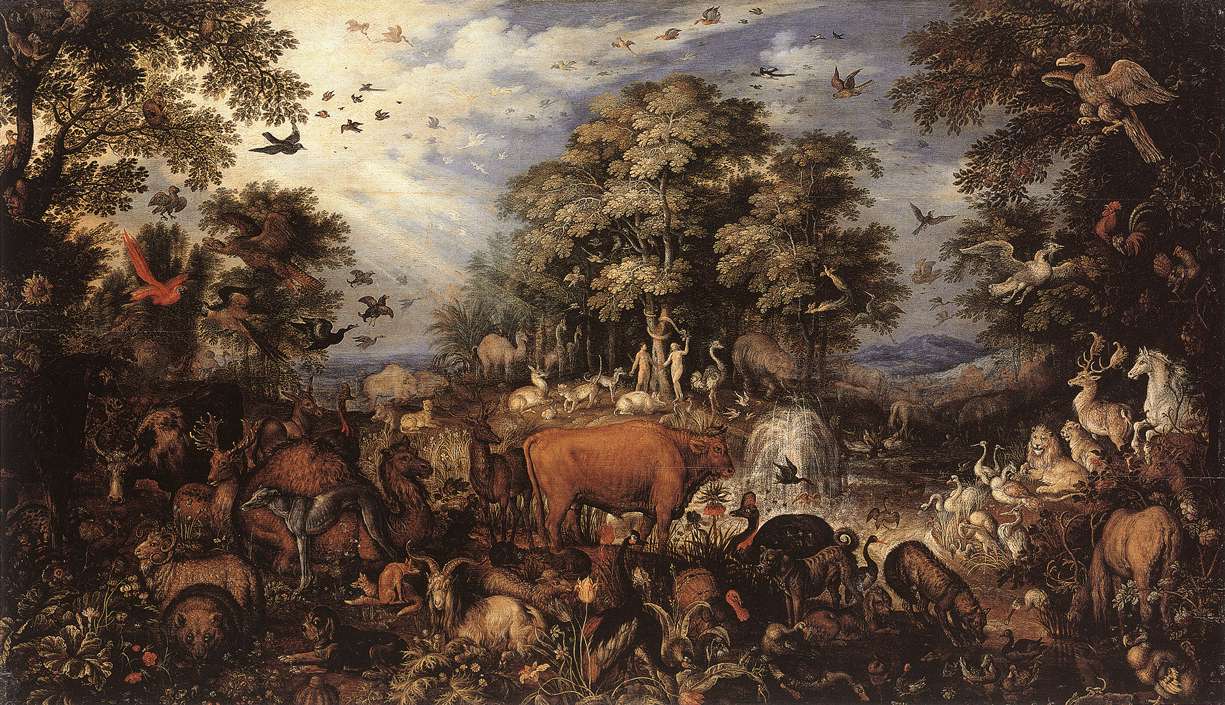
Culture, Memory & Extinction
Recent months have seen an explosion of public, media and academic interest in the idea, threat and reality of extinction. This acknowledgement has contributed to debates over climate change and other, related, ways that humanity has altered environments and ecosystems in this epoch we have begun to call the Anthropocene. This one-day conference asks what role can culture play in widening the understanding, representation and, indeed, remembrance of this unfolding and catastrophic species loss. With this in mind, the event aims to foster dialogue between academics, journalists, museum curators, charities, writers, environmental groups, and the media to explore how societies engage with the complexities of the processes of extinction and remember the extinct. More specifically, the event examines how increased dialogue between these communities and constituencies contributes to the public re-evaluation and remembrance of life on our planet.
Speakers:
Dan Barnard & Rachel Briscoe. Lead Artists, fanSHEN Environmental Theatre Collective.
Fae Brauer. Professor of Art and Visual Culture, University of East London.
Sbastian Brooke. Director, MEMO (Mass Extinction Monitoring Observatory).
Melanie Challenger. Author, On Extinction.
Cathy Dean. Director, Save the Rhino.
Sebastian Groes. English and Creative Writing, Roehampton University.
Steve Parker. Author, Extinction: Not the End of the World?.
Jules Pretty. Professor of Environment and Society, University of Essex.
Bernd Scherer. Director, Haus der Kulturen der Welt, Berlin.
Matt Williams. Associate Director, A Focus on Nature.
Matthew Wills. Biodiversity Lab, University of Bath.
Free tickets: register at https://www.eventbrite.co.uk/e/culture-memory-and-extinction-tickets-19379987063
Website: https://naturalhistoryofmemory.wordpress.com/london-2015/
Email: memoryandextinction@gmail.com
Organised by The Natural History of Memory: Dr Lucy Bond (Westminster), Dr Rick Crownshaw (Goldsmiths), Dr Jessica Rapson (King’s College London); Research assistant: Ifor Duncan (Goldsmiths).
Wednesday 25th November 2015, 5.00pm
Room 105, University of Westminster, 32-38 Wells Street, London W1T 3UW
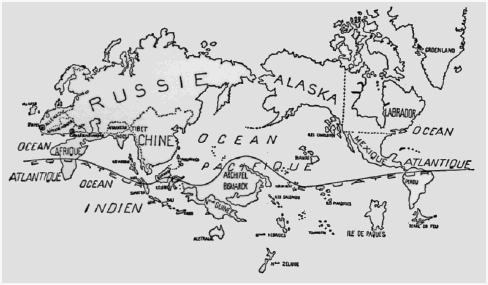
Inventing Maps: Towards a Geography of the Avant-Garde
Andreas Kramer (Goldsmiths), with a response by John Beck (IMCC)
This talk will explore how European avant-garde movements of the early twentieth century turned to geography to assert, validate and contest their artistic and political aims. The Italian Futurists famously claimed, in their founding manifesto of 1909, that ‘Time and space died yesterday’. Their claim signals the avant-garde’s desire to break with scientific conceptions of time and space; yet the issue of geographic location would persistently haunt the avant-garde’s emergence in various European cities and nations, just as the international dissemination of the avant-garde was framed by powerful, and sometimes strikingly original, geographical imaginations. Drawing on a range of examples from futurism, Dada and surrealism, this paper explores the visual and textual rhetoric of the map and mapping.
All welcome and entrance free. Non-Westminster guests can sign in at reception.
Followed by drinks in the Green Man…
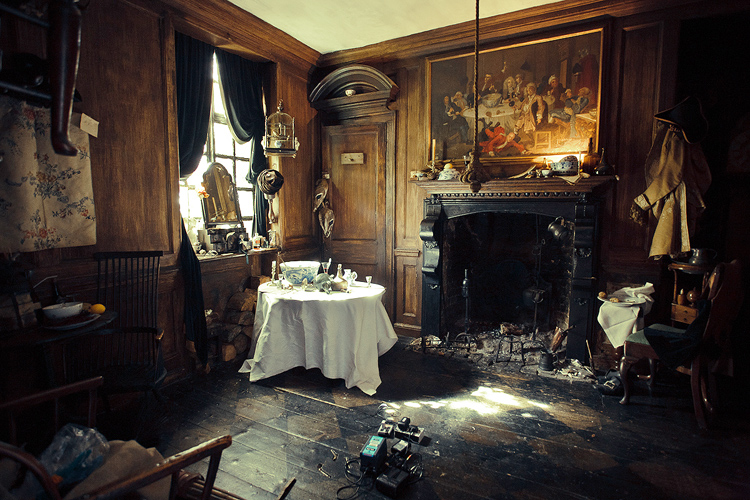
We are absolutely delighted to announce the publication of Emma McEvoy’s new book Gothic Tourism as part of the Palgrave Gothic series.
From Strawberry Hill to the London Dungeon, Alton Towers to Barnageddon, Gothic tourism is a fascinating and sometimes controversial subject. Senior Lecturer in English Literature at the University of Westminster, Emma McEvoy considers some of the origins of Gothic tourism and discusses Gothic itself as a touristic mode. Through studies of ghost walks, scare attractions, Dennis Severs’ House, Madame Tussaud’s, the Necrobus, castles, prison museums, phantasmagoria shows, the ‘Gothick’ design of Elizabeth Percy at Alnwick Castle, a party at Fonthill Abbey, and a poison garden, McEvoy examines Gothic tourism in relation to literature, film, folklore, heritage management, arts programming, and the ‘edutainment’ business.
Order up your copy here.
Wednesday 25 November, from 11.00 am
Furtherfield Commons, Finsbury Park, London
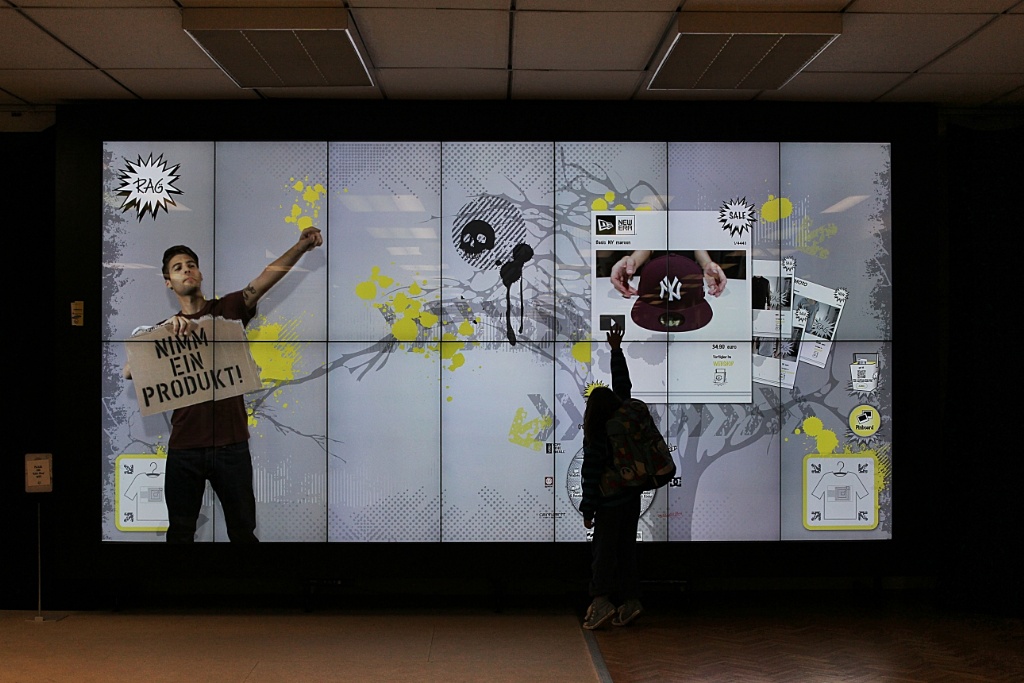
The Shopping Cyborg: A Flash Mob Ethnography
Join anthropologist and Westminster MA Museums, Galleries and Contemporary Culture student Chiara Garbellotto for a group exploration into how our relationships with technology in retail and exchange spaces make us into cyborgs. Working with tools from anthropology, especially Laura Forlano’s flash mob ethnography, we will observe and discuss the embodied experience of the shopper. We will share our ideas on how our bodies interact with technology and what kind of data we produce and mediate. Places limited to 12 people.
Arrive from 10:30am for a 11:00 start. Coffee and cake provided. Dress for the weather and please bring with you a printed image (photograph/clipping/drawing) of a shopper. It can represent any kind of exchange process and environment. Please also bring a means to take photographs and download the images (laptops are not needed).
Book here.
In association with the Museum of Contemporary Commodities: www.moccguide.net
Thursday 19th November, 4.30-5.30pm
Room 211, University of Westminster, Little Titchfield Street, London
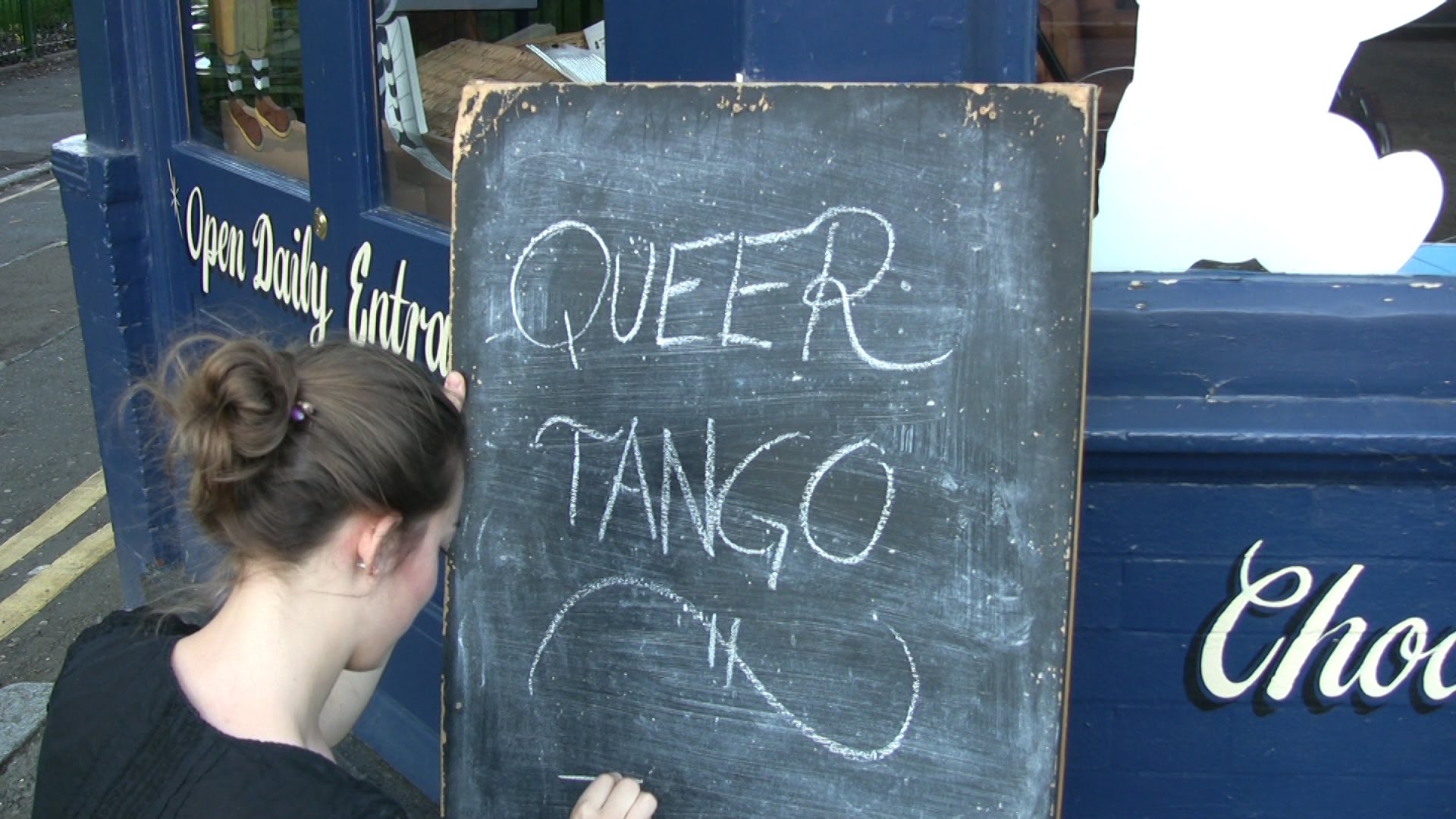
Queer London
Simon Avery and Katherine Graham, with Francis Ray White
The fifth in the Autumn series of Social Sciences and Humanities research seminars will be presented by our own Simon Avery and Kate Graham, from English, with a response by Francis Ray White in History, Sociology and Criminology. All welcome.
Simon and Kate are co-directors of the Queer London Research Forum (QLRF), based at the University of Westminster, which was established in September 2013. Its aim is to facilitate interdisciplinary discussion on various aspects of queer London, c. 1850-present. By bringing together academics, practitioners, students and those with an interest in queer issues more generally, the hope is to to encourage dialogue and debate about the range of London’s queer lives and experiences.
Please note earlier 4.30 start time for this week only.
For further information please contact: andreaspm@westminster.ac.uk.
Wednesday 11th November, 5.00-8.00pm
Architecture Studios, University of Westminster, Marylebone Road, London
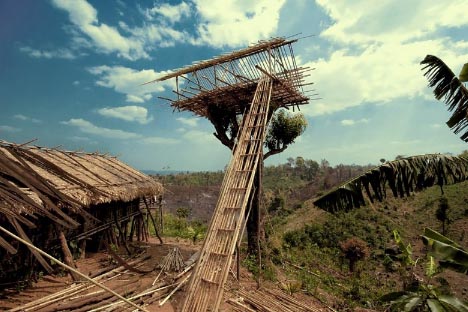
What is at Play in Environmental Design?
What kinds of research are required to understand the forms of the human-environmental relation today? Part of Westminster’s Architecture Play Week, this symposium brings together a number of speakers giving short presentations on the kinds of environmental practitioners we might need in the future.
Speakers include: Claudia Dutson, Jon Goodbun, Susannah Hagen, Karin Jaschke, Torange Khonsari, Shaun Murray, Mirko Nicolic, Isis Nunez-Ferrera, Peg Rawes, Andreas Rumpfhuber, Douglas Spencer, and Victoria Watson.
For further details, contact Jon Goodbun at: jcgoodbun@mac.com
Thursday 12th November, 5.00-6.30pm
Room 211, University of Westminster, Little Titchfield Street, London
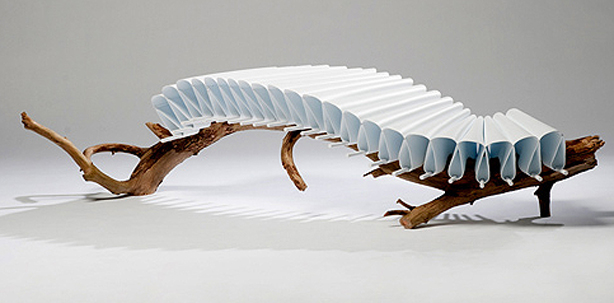
Entanglements + Folds of Pleasure
Victoria Brooks and Adam Eldridge
The fourth in the Autumn series of Social Sciences and Humanities research seminars will be presented by Victoria Brooks from Westminster’s Law School, with a response by Adam Eldridge in History, Sociology and Criminology. All welcome.
For further information please contact: andreaspm@westminster.ac.uk.
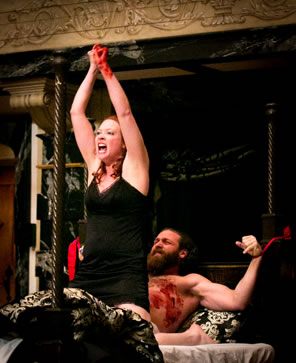
Our very own Kate Graham will be speaking on the queerness of female revenge at the English Literature and Cultural Studies research seminar next Wednesday.
“NOR BEAR I IN THIS BREAST/ SO MUCH COLD SPIRIT TO BE CALLED A WOMAN”: THE QUEERNESS OF FEMALE REVENGE
Dr Katherine M. Graham (Westminster), with a response by Simon Avery
Wednesday 11th November 2015, 5pm
Room 105, 32-38 Wells street, London w1T 3UW
Late-Elizabethan and Jacobean revenge tragedies contain only a handful of female revengers. This paper focuses on two of them – Evadne from Beaumont and Fletcher’s The Maid’s Tragedy and Bel-imperia from Kyd’s The Spanish Tragedy. Despite their rareness, they are women who are often overlooked, Bel-imperia in favour of the male revenger Hieronimo, and Evadne in favour of Aspatia or in favour of discussions about corruption and power. Here, however, I want to centre Evadne and Bel-imperia to consider the relationship between revenge and the gender of these two figures, a relationship that I will argue is notable for its queerness. For the female revengers of The Maid’s Tragedy and The Spanish Tragedy, embarking on an act of revenge produces queer fractures in the presentation of their gendered and sexed bodies.
This event is free and open to the public (guests will need to sign-in at reception).
Thursday 5th November, 5.00-6.30 pm
Room 2.11, University of Westminster, Little Titchfield Street, London
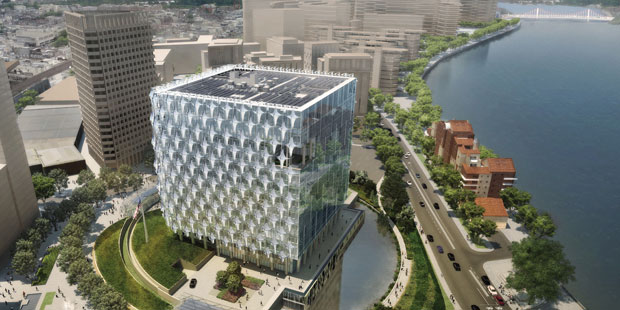
“Beyond the Gaze: New Architecture of Security”
Elisabetta Brighi (Politics and International Relations)
with response by David Cunningham (IMCC)
For the latest in Westminster’s series of Social Science and Humanities research seminars, Elisabetta Brighi will be presenting a paper on the new American Embassy in London and architectures of security with a response from David Cunningham. All welcome.
Wednesday 4th November 2015, 5pm
Westminster Forum, 32-38 Wells Street, London W1T 3UW.
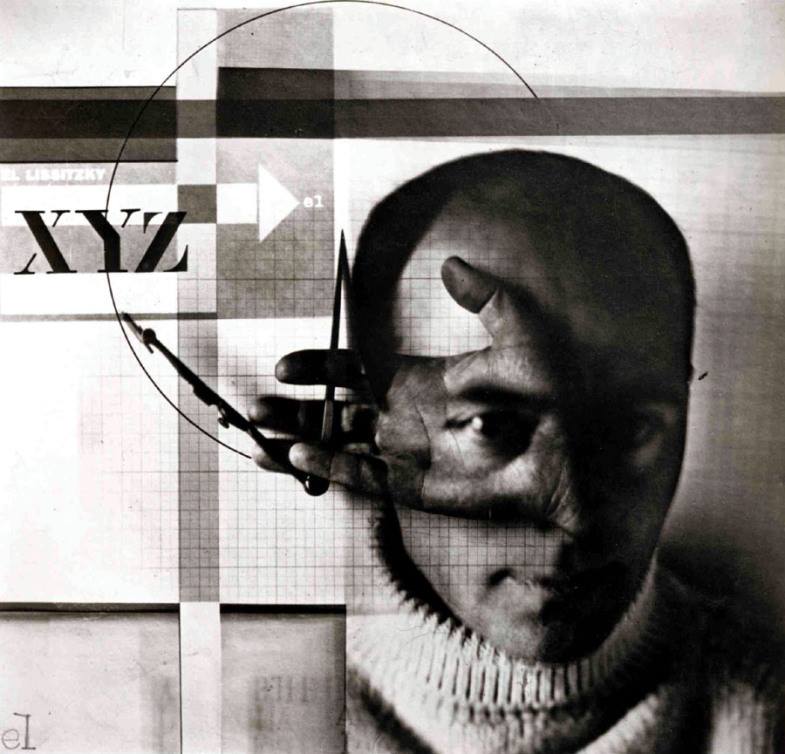
Professor Andrew Benjamin (Kingston) will be with us at the Institute to discuss his new book Art’s Philosophical Work. The book offers an argument for how art ‘works’, using examples from Nicholas Poussin, Albrecht Dürer, Georg Baselitz, El Lissitsky and Karel Appel. Andrew’s talk will be followed by responses from Kaja Marczewska on ‘iteration’, David Cunningham on ‘relationality’ and Matthew Charles on ‘colour’.
The event is free and open to the public (guests will need to sign-in at reception).
Followed by drinks in The Green Man, Riding House Street.
Andrew Benjamin is a Distinguished Professor of Philosophy and the Humanities at Kingston University, UK, and Professor of Philosophy and Jewish Thought at Monash University, Australia. His many publications include Working with Walter Benjamin (2012), Of Jews and Animals (2010), Place, Commonality and Judgment (2010) and Style and Time: Essays on the Politics of Appearance (2006).
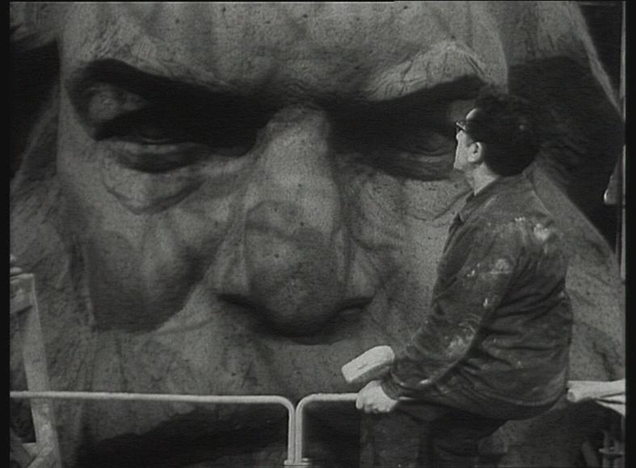
A quick plug for the third issue of Mnemoscape, edited by two of our former MA Art and Visual Culture students, Elisa Adami and Alessandra Ferrini, as well as the launch of their new website at: http://www.mnemoscape.org/
Devoted to the theme of ‘Set in Stone’, the new issue also contains a fine article by another of our ex-students, Mirna Pedalo, ‘Memory Rupture’.
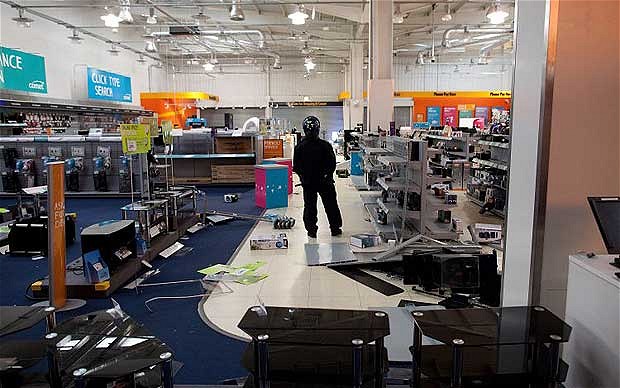
A note that the University of Westminster’s SSH Faculty Seminars for this year begin on Thursday 22nd October, 5.00-6:30pm. These will be held every Thursday in room 2.11 in the University’s Little Titchfield Street building.
The first seminar will be led by Lea Sitkin and Dorrie Chetty from the Department of History, Sociology and Criminology, who will be giving a paper on “Tottenham: The People’s Perspective”, with a response by Nitasha Kaul from the Department of Politics and International Relation. Wine and soft drinks will be provided…
Future seminars include Elisabetta Brighi on New Architectures of Security, with a response from the IMCC’s David Cunningham (November 5th); Victoria Brooks from Westminster’s Law School on ‘Entanglements and Folds of Pleasure’ (November 12th), with a response by Adam Eldridge; Simon Avery and Kate Graham on Queer London (November 19th); Derek Hird on Chinese Men in London, with a response from our own Anne Witchard (December 10th); and, rounding things up, our old friends Ben Pitcher (Sociology) and Andreas Philippopolous-Mihalopolous (December 17th).
October 27th 2015, 6pm
University of Westminster, Little Titchfield Street, London W1W 7BY
The Artist Contract in the Digital World
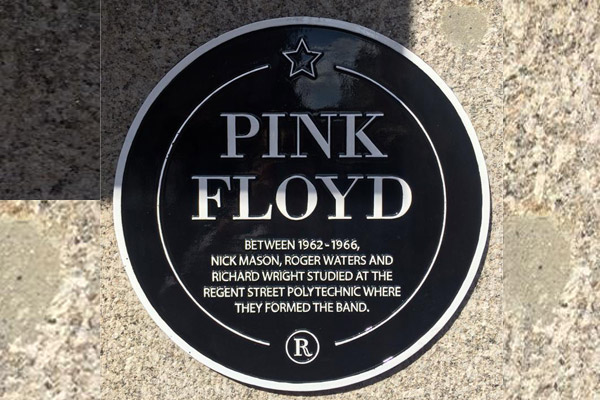
Organised by our colleagues in the Law School at Westminster: a conversation between Nick Mason (Pink Floyd), Chris Ancliff (Warner Music Group) and Paul Pacifico (Featured Artists Coalition) on the evolution of the artist/record company contract.
Chris Ancliff is the General Counsel (International) at the Warner Music Group and was previously General Counsel at EMI Group plc. Paul is the first full time CEO of the Featured Artists Coalition. Nick Mason is a renowned composer, musician and producer, who in some ways will be ‘coming home’ for the event – along with fellow architecture student Roger Waters, he held rehearsals for their band Sigma 6 in the student common room in what is now the Law School building. As part of Pink Floyd he later returned to play in the building’s grand art deco Portland Hall, where this event takes place. It is now almost 50 years since Pink Floyd signed their first contract with EMI, and the evolution of this relationship will be discussed, along with consideration of various current issues.
Attendance is free, please register online.
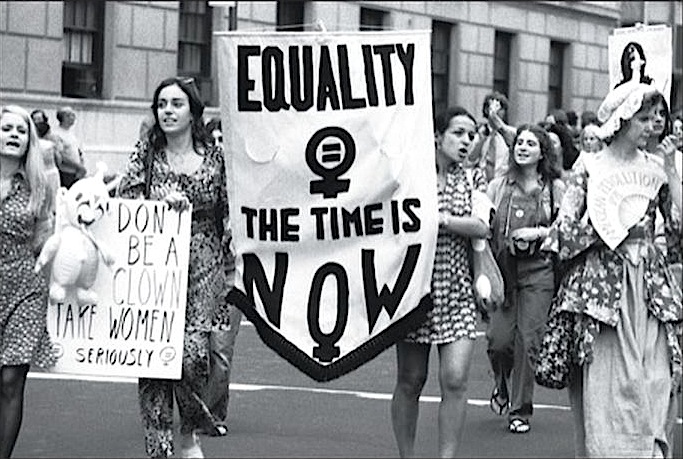
A final reminder that this year’s series of English Literature and Cultural Studies research seminars will kick off at 5pm on Wednesday 14th October with Victoria Browne from Oxford Brooks speaking on ‘Generational Politics in Feminist History’. Sanna Melin Schyllert, a doctoral researcher at Westminster, working on feminism and modernism, will respond to Victoria’s talk.
“Sisterhood” is the familial metaphor most often associated with feminism; yet in fact, metaphors of “feminist foremothers”, “mothers” and “daughters” are employed just as frequently to convey relationships between feminists of different ages and eras. This kind of generational symbolism has been subject to serious criticism in feminist theory in recent years – for giving rise to “Oedipal” anxieties, and portraying the history of feminist theory and activism in terms of a struggle between “overbearing mothers” and “undutiful daughters”. This talk will examine critiques of the generational model of feminism, thinking through various significations of the generational metaphor, and its relation not only to feminist history but historical time more generally.
This first seminar will be followed by a drinks reception to celebrate the start of the new series and to welcome the new members of our research community. The seminar will take place in Room 105, University of Westminster, 32-38 Wells Street, London W1T 3UW (nearest tube stations: Oxford Circus, Tottenham Court Road, Goodge Street).
Directions here: http://www.westminster.ac.uk/about-us/visit-us/directions/wells-street
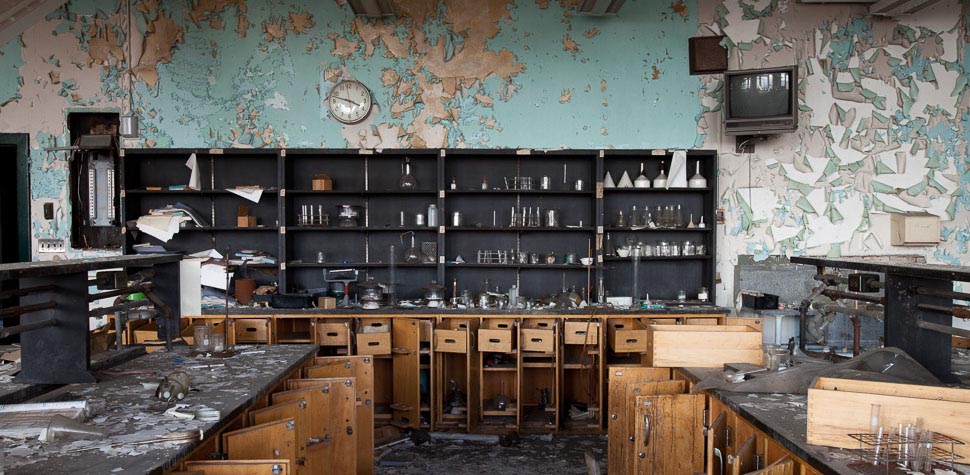
A plug for an event organised by our colleagues in HOMELandS, the Hub for Migration, Exiles, Languages and Spaces, based at the University of Westminster.
Wednesday 28th October 2015, 4-6 pm
Westminster Forum, University of Westminster, Wells Street London W1T 3UW
“Diaspora in the Field of Vision”
Margherita Sprio, Centre for Research and Education in Arts and Media
Contemporary art practices that have emerged out of the existing art school structure in Britain have enabled a multitude of emerging practices to be given the current status that they hold in debates about visual culture. Diasporic artists since post war education expansion in Britain have become visible in small but significant numbers – in part supported by those sympathetic to the politics of educational equality. But also, supported by those for whom education and Diasporic experience were the life line that enabled both the art practices that now constitute contemporary art and also the critical debates that are now common place within contemporary art education. This paper will address some of the key issues that have been made apparent in the work of some contemporary Diasporic artists who live, work and have studied/study in London in relation to ideas of displacement migration, power and ethics.
Dr Margherita Sprio is a Senior Lecturer in Film History and Theory at University of Westminster and works on film practice and theory as well as the relationship of film theory to photography, contemporary art and philosophy. She is the author of Migrant Memories: Cinema and the Italian Post War Diaspora in Britain (Peter Lang, 2013).
The event is free and open to the public. Non-University of Westminster attendees please register with Cangbai Wang atc.wang6@westminster.ac.uk


The Institute for Modern and Contemporary Culture
University of Westminster Department of English, Linguistics and Cultural Studies
32-38 Wells Street, London W1T 3UW. United Kingdom.